Featured
Table of Contents
I first operated in media relations in 2013, back when my task included lining up spokespeople for media event and authorizing press releases that mentioned business partners. A lot has changed ever since. Everything's more scattered than it utilized to be, the meaning of "media" has expanded, and the majority of groups have needed to get a lot more intentional about where they put their bets.
Notably, media relations isn't about getting reporters to compose a story your way. Rather, it's about supplying what they require to write for their audience.

If you work in PR or media relations, whether internal or agency-side, much of this will probably feel familiar. Not simply what's said in a headline or a single positioning, but the build-up of messages and stories individuals encounter across channels (like a business site, newsletters, social media, events, and more).
Protecting Your Corporate Reputation With Digital Tools
The same crucial messages reveal up on the website, in newsletters, on social media, at occasions, and sometimes in the press. PR isn't about landing a single splashy hit.
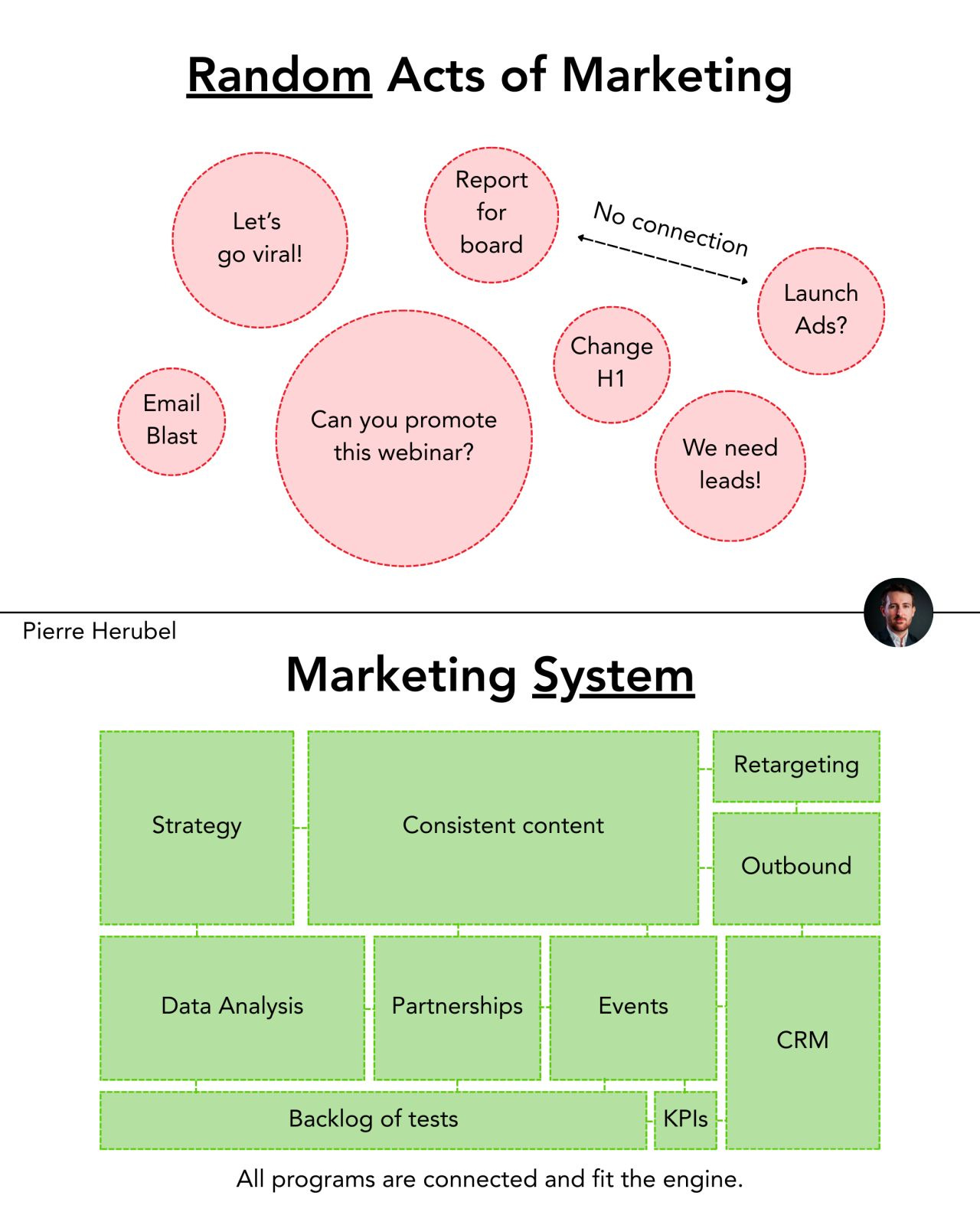
The goal is long-term, sustainable success. Media relations sits inside that wider PR system. It's one channel, an important one, but still simply one. Thought management, business interactions, awards, collaborations, occasions, they all serve the exact same bigger objective of forming narrative and demand. If PR is the story you're trying to inform, media relations is simply among the ways you "show up the volume." The mistake I see most often is dealing with media relations as the technique itself instead of a tactic within a more comprehensive content method.
Not managing the narrative, not getting your talking points copied verbatim, but using something that really serves their audience. That sounds obvious, but it's remarkably simple to forget when internal momentum is high/ everyone wants to "get the word out." And yes, a surprising quantity of your profession will be calmly discussing this over and over once again.
Comparing Traditional and Digital Media ModelsExternally, on their own, they hardly ever increase to the level of a story. There's no right or incorrect response, but your job is to find a balance in between what might trigger attention and what's appropriate, and choose when to share it.
As a tip, news is information about current occasions or advancements that's prompt, pertinent, considerable, and of interest to the public. When coverage does occur, it's typically due to the fact that the statement connects to something bigger, a market shift, a regulatory modification, a behaviour pattern, a tension people currently care about. Data helps.
Key Benefits of Integrated PR for B2C
A media set that makes a journalist's life easier helps more than the majority of individuals understand. Even then, strong pitches do not guarantee protection.
A large media Rolodex doesn't compensate for a weak angle. Think about it, an outlet's required is to provide information that matters to its audience. A great editor will not run a story that's of no interest to anybody other than those at your company.
I look to owned and shared channels rather. There was a time when every statement appeared to call for a press release, mainly because that was the default circulation system.
Comparing Traditional and Digital Media ModelsThe Evolution of Global Strategy By 2026
I still discover them beneficial, just not for the factors many individuals expect. A news release is a long lasting piece of messaging you control. It supports SEO and discoverability, yes, however more notably, it creates a public record of what you're doing and how you talk about it. Over time, this record ends up being a reference point for reporters, partners, analysts, and even your own sales team.
I nearly constantly think about announcements as possible building blocks for a wider content system, customer stories, blog posts, sales enablement, and internal alignment. Even when no one selects it up, it's seldom lost work. What I'm saying is I believe news release are still crucial for reasons unrelated to the media.
Having said that, I'll continue to focus on made media due to the fact that I believe it's still the most misconstrued. The majority of pitching recommendations on LinkedIn sounds great in theory and falls apart under genuine conditions. A couple of patterns I've found out to rely on anyway: Know your industry Knowing your industry isn't optional.
How PR Drives SEO and Trust
Suggestion: Set up Google Informs for industry-related keywords and the types of stories you want to be the very first to understand about. Understand the media Each outlet has its own focus, audience, and style.
It shows right away when someone hasn't done their homework. How can you craft efficient pitches if you don't know what journalists are covering, what the hot subjects are, or where the conversations are heading?! Pointer: A press release for a niche or trade publication can consist of more market jargon and acronyms than one for the mass market.
Construct relationships, not simply transactions. Tip: If you desire to succeed with flattery, send congratulations before you need something, in an e-mail with no asks.
Generally, be someone they recognize as thoughtful, not transactional. Nail the timing Timing is unforgiving. "News-world prompt" is a real thing, and it rarely aligns with internal calendars. If a nationwide story is controling the media, hold off otherwise your message, e-mail, or press release might be buried. You can piggyback off national days, regulative or legal changes, or market occasions to offer your company's profile a boost, however utilize discretion when it concerns a crisis you do not desire to be perceived as an opportunist.

Latest Posts
How to Measure SEO Success in 2025
Why AEO Reshapes Brand Visibility
Advanced Media Relations Tactics to Gain Exposure